Cavitation Surgery
Our approach is to determine where these cavitation lesions exist, treat them by gently cleaning out the diseased tissue, and then rebuild the bone health using “sticky bone”, your own platelet-rich fibrin (PRF) mixed with a biocompatible bone graft.
A jawbone “cavitation” is an area of under-healed bone often left after an extraction, infection, or trauma where blood flow is poor and the marrow space becomes fatty and inflamed. In the simplest terms, it is a hidden pothole in the jawbone bone that may keep signaling inflammation to the rest of the body. Recent reviews describe this as fatty-degenerative osteonecrosis of the jaw (FDOJ) but is most commonly referred to as “cavitation lesions”.
Our approach is to determine where these cavitation lesions exist, treat them by gently cleaning out the diseased tissue, and then rebuild the bone health using “sticky bone”, your own platelet-rich fibrin (PRF) mixed with a biocompatible bone graft. PRF concentrates your body’s healing cells and growth factors. It is created using lower-g force centrifugation (per Prof. Shahram Ghanaati’s low-speed concept) which enriches PRF and improves early vascularization. Dr. Rick Miron and colleagues have shown that adding PRF to grafts creates a cohesive “sticky” matrix that enhances graft stability and healing.
Why this matters to whole-body health: multiple observational studies report that cavitation tissue can overexpress inflammatory messengers, especially the chemokine RANTES/CCL5, linked in the wider medical literature to autoimmune and cancer biology. Some case series describe improvements in systemic symptoms after surgical cleanup of these lesions; however, controlled clinical trials are still limited, so these findings should be viewed as promising but not definitive.
To support bone regeneration after surgery, we encourage smart nutrition and micronutrient support (e.g., Vitamin D3 with K2 and magnesium) as outlined in Dr. Dominik Nischwitz’s Bone Healing Protocol—tailored to your labs and coordinated with your medical team.
The “take home” message is that jawbone cavitations may be an underlying health risk that you haven’t considered before. Diagnosing and properly treating cavitations with thorough cleaning protocols followed by PRF-based “sticky bone” follows contemporary biologic principles and may reduce inflammatory burdens for many people. Reach out to us today for help determining if jawbone cavitations may be an issue in your health journey.
Advanced Technologies
3D Cone-Beam CT X-rays
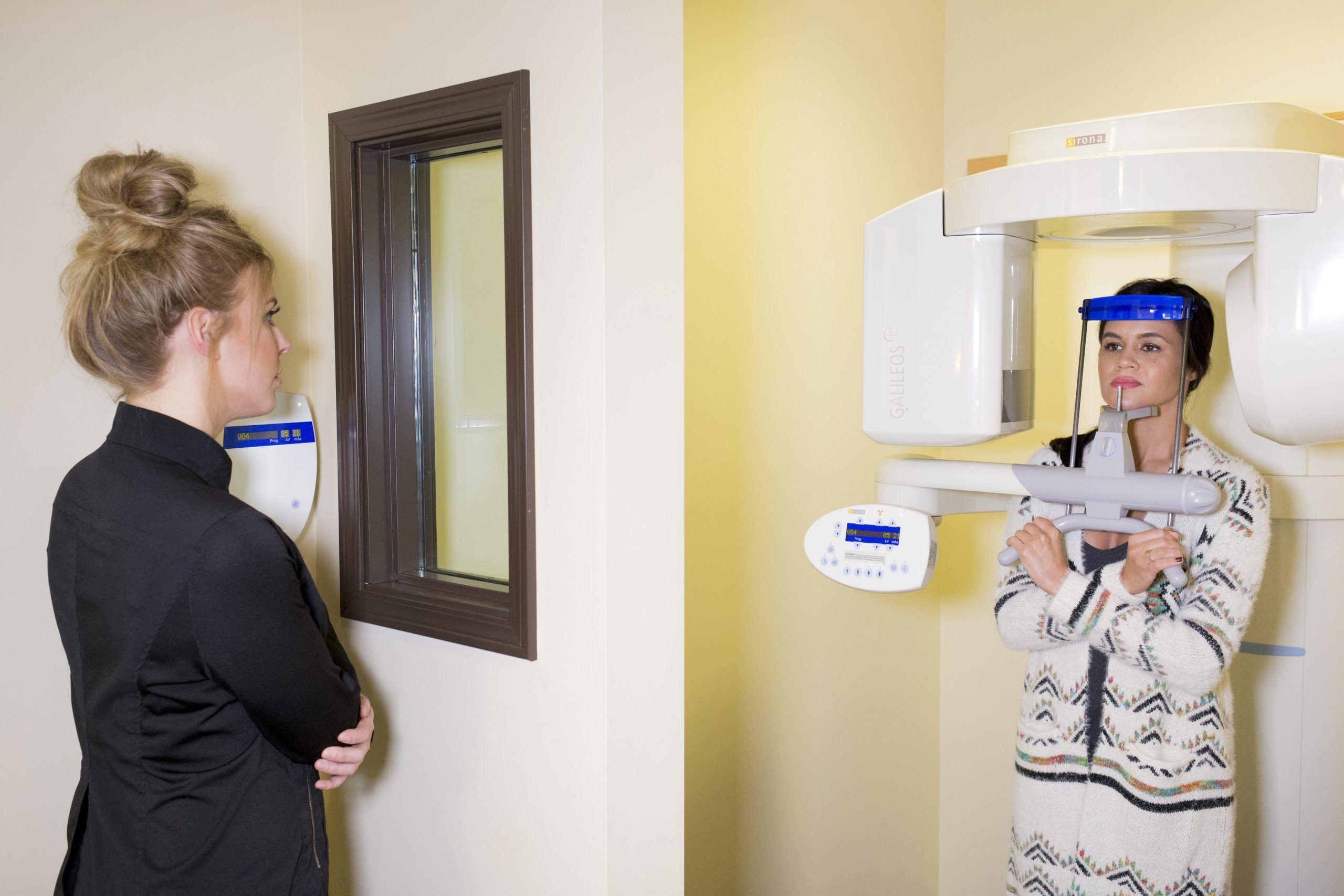
For more than a century, dentists have relied on dental X-rays which present information in only two dimensions. Unless you are fully trained on how to read an X-ray they are nearly impossible to understand. They are also difficult, even for trained individuals, because there are significant challenges to interpreting 3D data on a 2D image. Thankfully, for more than 15 years, a dental imaging system called “3D Cone-Beam Computed Tomography” (3D CBCT) has been available.
Blodgett Dental Care was one of the first dental practices in the Pacific Northwest to invest in 3D CBCT technology. 3D radiology is more efficient and effective than 2D radiology. Patients find it much easier to understand their own health issues because they can see their anatomical issues in three dimensions. Additionally, our 3D CBCT system fully integrates with our other digital technologies. This allows us to digitally plan implant placements, surgical guide systems, implant-supported restorations, and more. This is another example of how Blodgett Dental Care uses advanced technology to achieve the highest standard of patient care.
Dental Lasers
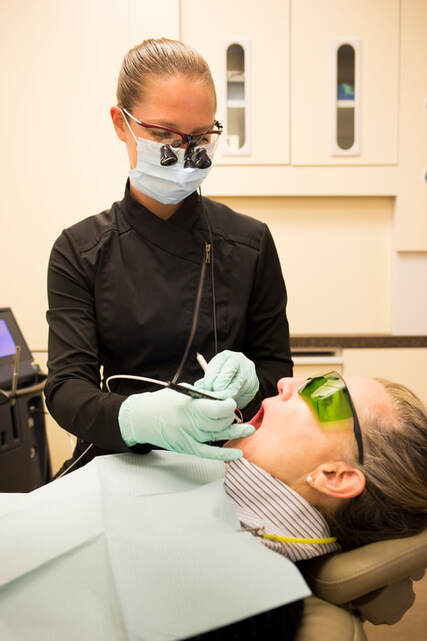
Lasers have become an integral part of our lives. What you may not know is that lasers have played a role in dentistry for over 30 years! Blodgett Dental Care has invested in five different wavelengths of lasers which help us to accomplish numerous health-promoting tasks from photo-biomodulation (a.k.a. biostimulation and low-level laser therapy) to specific bacteria removal. These lasers also create an opportunity for “shot-free” dentistry! Using pulsed light, the tooth or gums being treated do not feel the same kind of stimulation that is caused by a drill or a tooth scraper. This results in incredibly comfortable care that often requires no anesthesia.
Step into the future of dentistry today at Blodgett Dental Care!
CEREC
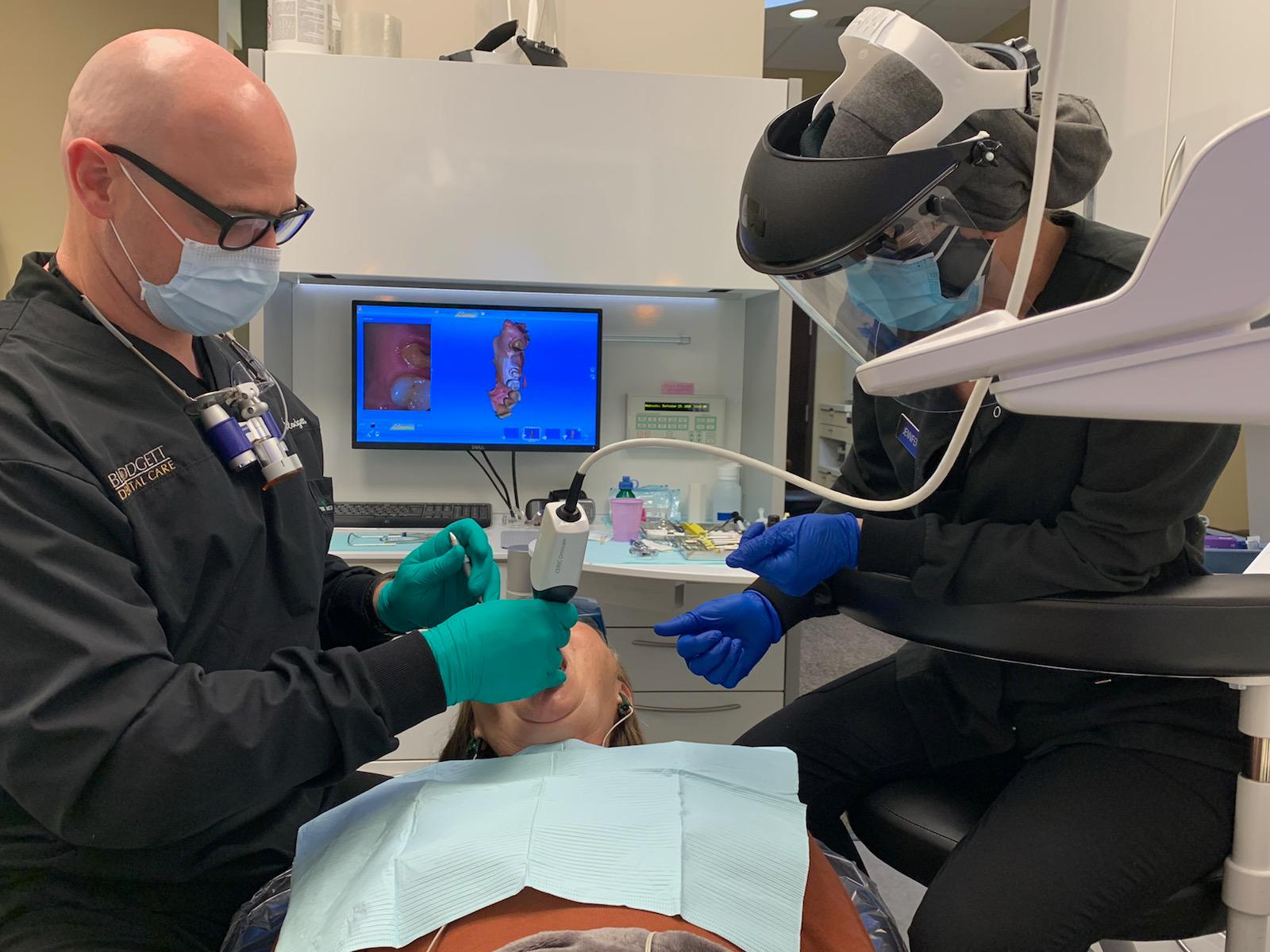
Nobody wants to wait for their teeth to be fixed! For the majority of the 20th century, if you needed a crown, veneers or bridges, you would be waiting for 2-4 weeks for the lab to get your teeth done. When they arrived, they never looked like real teeth. Thanks to the incredible advantages of CAD/CAM technology, we are able to make almost all of your dental restorations in a single visit! Find out just how easy and fast it can be to replace your failing crowns without black margins and toxic mercury fillings with life-like ceramic restorations using the CEREC system. Efficiency and health is a great combination.
Ozone
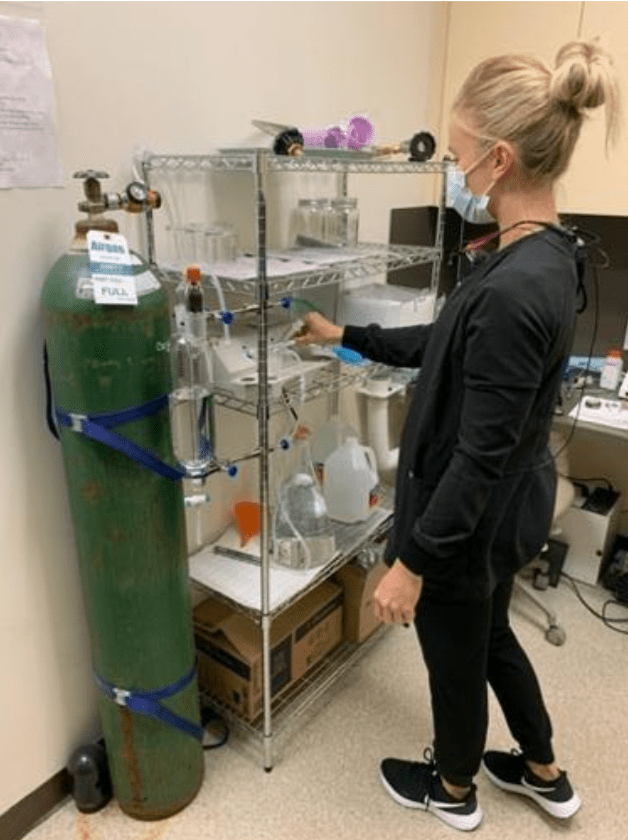
At Blodgett Dental Care, we believe in using the least toxic and most effective substances to help ensure the greatest health for our patients. For these reasons, we choose to use ozone in our practice. Ozone is a super-charged set of 3 oxygen atoms which is created in a gas form. It is used by hundreds of municipalities for sterilizing their water supplies. Similarly, we add it to the distilled water in our dental chairs so no chemicals are used in the cleaning process. We also use ozone gas over every tooth we restore to ensure there are no live bacteria being bonded underneath any restorations. Ozone has many other amazing applications in dentistry and we look forward to helping you enjoy its benefits.
Surgically Clean Air
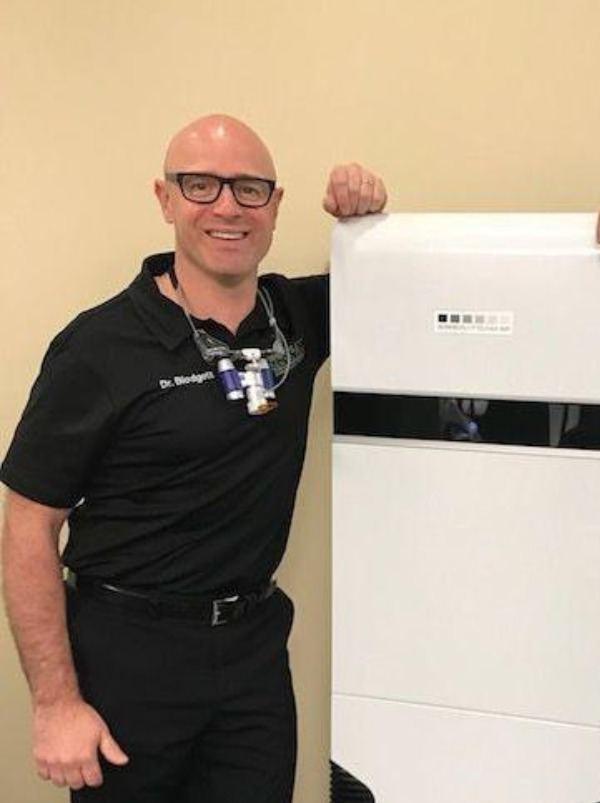
You may not think about it too often, but the potential for poor air quality in a dental practice is very high. Think of the aerosols from ultrasonic cleaning tools, the splatter from drills and vapors coming off mercury fillings. Not to mention breath, coughs and sneezes coming from people’s mouths. To ensure an environment of optimal air quality, Blodgett Dental Care has invested in multiple “Surgically Clean Air” units: one in the reception area, one mid-office and one back by the doctor-treatment rooms where the heaviest of aerosols are created.
Additionally, every dental treatment room in our office uses an “IQAir” unit which helps draw air and vapor away from the patient’s face and through a multiple-level filtration system. The universal precautions used by all dental practices are helpful at reducing some exposure, but using hospital-grade air purification ensures the healthiest environment for everybody! This thoughtful approach to our dental environment is just one more example of why Blodgett Dental Care is so different from the traditional and conventional dental practice.